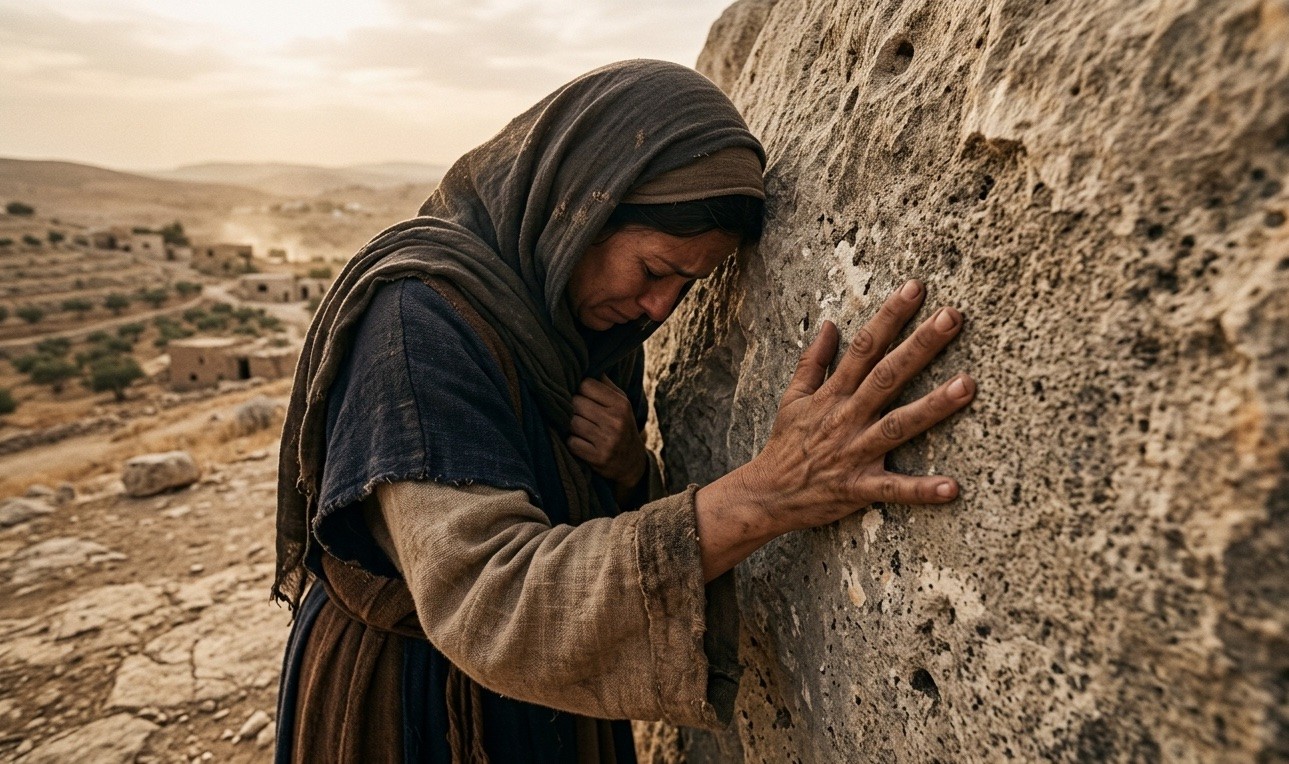
“For as yet they knew not the scripture, that he must rise again from the dead… But Mary stood at the sepulchre, weeping... two angels in white… say unto her, Women, why weepest thou? … Jesus saith unto her, Woman, why weepest thou? whom seekest thou? …Sir, if thou have borne him hence, tell me where thou has laid him, and I will take him away… Jesus saith unto her, Mary.” Jn. 20:9, 11-13, 15, 16
Mary Magdalene had gone through a strange, wonderful experience over the last several years. Hopelessly lost, she had had many demons cast out of her (Lk. 8:2). Then, after her conversion, she appears periodically in the gospel narratives. What a change had come over her! What a drastic conversion to be rid of seven demons and, shortly after, to become one of Jesus’ closest followers. And now, she had come to his grave, weeping when she found the sepulchre empty, fearful that someone had taken his body away and perhaps defiled it or hidden it.
As she approached the place of burial, two angels sat where Jesus had lain a short time before. One sat where his head would have rested, the other where his feet had been. We don’t see her acting very surprised at this, nor do we find her engaging the two in conversation. She must have deduced right away that they were angels. Perhaps she had seen them on other occasions. It might not have been that great a surprise to her that she was now in their presence once again. But we find them asking the first question, inquiring as to why she wept.
We don’t know if she had been prone to crying. Having seven devils in her earlier had probably cost her more than a few tears. But, today at least, her moist eyes became the lens by which she would see far into heaven and deeply into the heart of God. For Jesus Himself shortly appeared to her, asking her, also, why she wept. She explained her concern over the missing Christ, convinced that the man who stood there asking the question was someone other than Jesus, perhaps a gardener or keeper of the tombs.
But one word was spoken to her that flooded her with the light of a million mornings. “Mary.” Instantly she knew that voice, and she rushed over to embrace Him as she might have done many times before. He told her not to; the work of His transformation was not yet complete. His body was, no doubt, being prepared to ascend to the Father and offer His blood on heaven’s altar. But He gave her a mission: “Go.” She had said she wanted to retrieve Jesus’ body and take it away somewhere. What was she thinking to do with her crucified Lord? We don’t really know. But at least He would have been in friendly hands. But no – “Go to my brethren…”
Perhaps we, in the excitement and exultation of seeing God do something miraculous in our lives, are tempted to tell no one and keep the event hidden away. But He would have us go also, and tell the brethren about it. Why should His Name go unpraised? Why should His wonders not be made known? These precious moments probably became the most unforgettable in her life. The truth of His promises became startlingly real and meaningful.
When we behold the King in His beauty and experience His life-changing grace, we must not keep it a secret. Don’t take Jesus away somewhere else. Others need to know about Him and His wonderful ways. Yes, there will come a day, away up yonder, when we will embrace Him and talk to Him to our heart’s content. But the time for going and witnessing is now. The time for telling is now. Through the heartbreak, through the tears – we must “go.” Waiting and weeping will often precede the wonder, but His Name is Wonderful, and we must tell it. He can and will fix the world’s problems, if we but tell them about Him and they but call upon His Name.