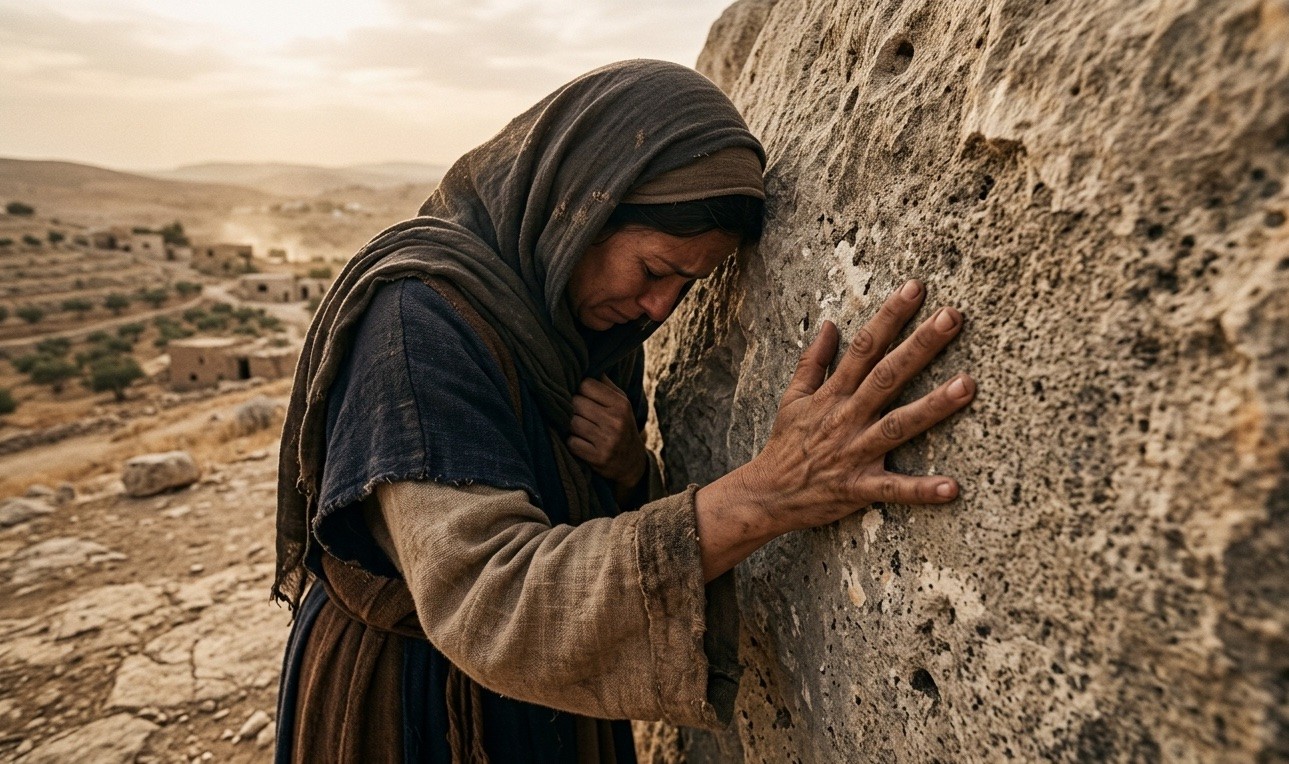
“...and there shall be no more death, neither sorrow, nor crying, neither shall there be any more pain: for the former things are passed away.” (Revelation 21:4b)
When John the Apostle wrote about a new heaven and a new earth, he referred to three astounding conditions God’s people will one day experience. First, the new order means the Son of God will be present. The old order has passed away, and the stage is set for the new (see Revelation 21:1). After millennia of waiting, hoping, and imagining what life would be like with Christ visible instead of invisible, the redeemed will experience Christ’s glorious presence. John simply put it this way: “...he will dwell with them, and they shall be his people, and God himself shall be with them, and be their God”(21:3b).
Second, the new order means the Son of God will be active. Some false gods are portrayed as moody, uncaring, or subject to flattery and whim. John described Christ’s compassion in the new Jerusalem: “And God shall wipe away all tears from their eyes” (21:4a). It’s the ultimate gesture that shows love for the unlovely. Christ will wipe away tears that he did not cause. Christ will wipe away tears that flow because of a sin-cursed world. Christ will wipe away tears because he loves us.
Third, the new order means the former things will pass away. John characterizes our present world (in “the first heaven and the first earth”, 21:1b) as bleak. What is it like? It is filled with “death...sorrow...crying...pain” (21:4b). The climax of the ages means those agonies will be former things for those who know Christ. Think of it! The verdict for death, sorrow, crying, and pain is clear: There shall be NO MORE. Because of Christ, some day the former things will be passed away. Those horrors will be experienced only in hell.
Christian, when the hardness of life shakes you and leaves you spent, look to the one who will be present and active in the new Jerusalem. His gentle hand will wipe away tears. His victory over death means woe will be no more, “for the former things are passed away.”